Unit of Computation and AI Application Research
Prediction is not the finish line.
We are building a lab that goes from an idea to a real compound: generative models that design molecules in three dimensions, simulations that test whether the design holds, and the chemistry to make it and find out. The aim is treatments for diseases that still have none good enough.
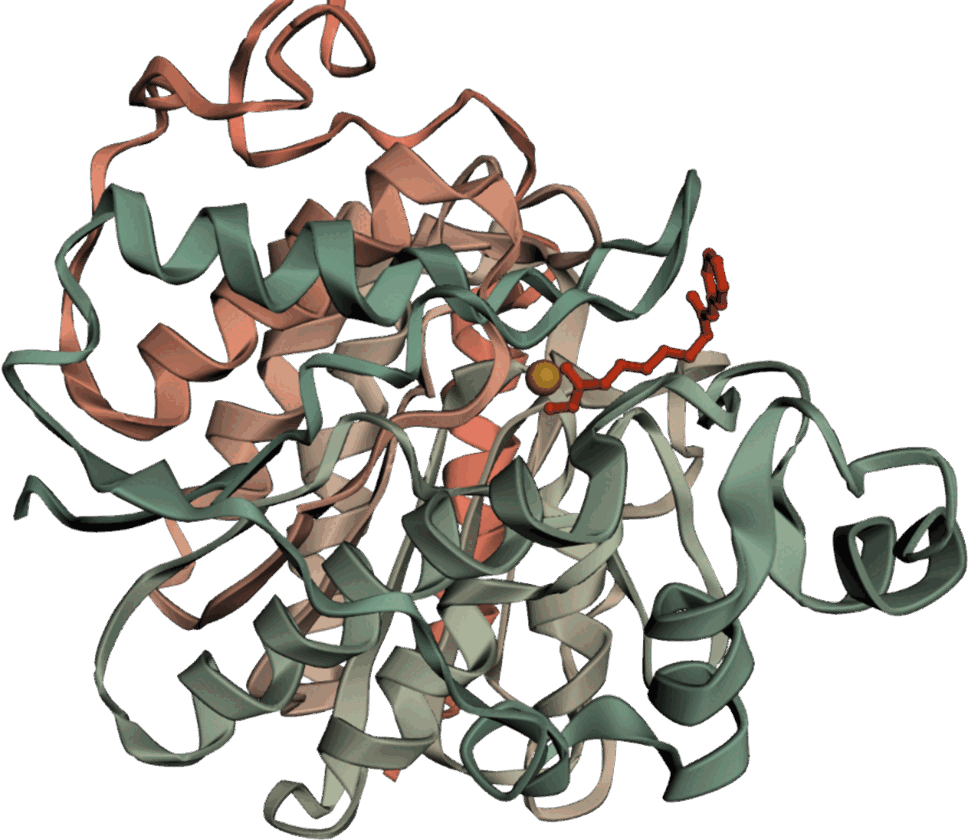
A prediction nobody can test is an opinion. Ours are answerable — designed, simulated, made and measured by the same people, in the same lab.
How the lab works
One loop, not three departments
Design
We train generative models that propose molecules in three dimensions, and models that predict what those molecules will do — how active, how safe, how drug-like.
Simulate
Physics decides what statistics only suggested. Simulation tells us whether a designed molecule really holds where we think it does.
Make and measure
The designs that survive get made and tested in the laboratory. What comes back is data, and data is the only thing that makes the next round better.
Each of these is common on its own. Holding all three is what we are building, and it is the difference between a wrong idea costing us weeks instead of a collaboration, and a right one being confirmed without asking anybody’s permission.
What we are aiming at
Diseases that still need better medicines
Cancer is where the lab has the deepest experience and the most data, and it is where the work starts. The method is not specific to it. Anywhere there is a protein worth acting on, a way to measure success and a chemist willing to make the compound, the same loop applies.
The chemistry side of this lab is the older half — compounds designed, made and tested here for more than a decade, within the Faculty of Pharmaceutical Chemistry and Technology. The computational side is young and moving quickly. Joining them completely is the work.